Building on Your Own Land in the Treasure Valley
Thinking about buying land for a custom home in the Treasure Valley? Check zoning, access, utilities, water, septic, and site costs before you commit.
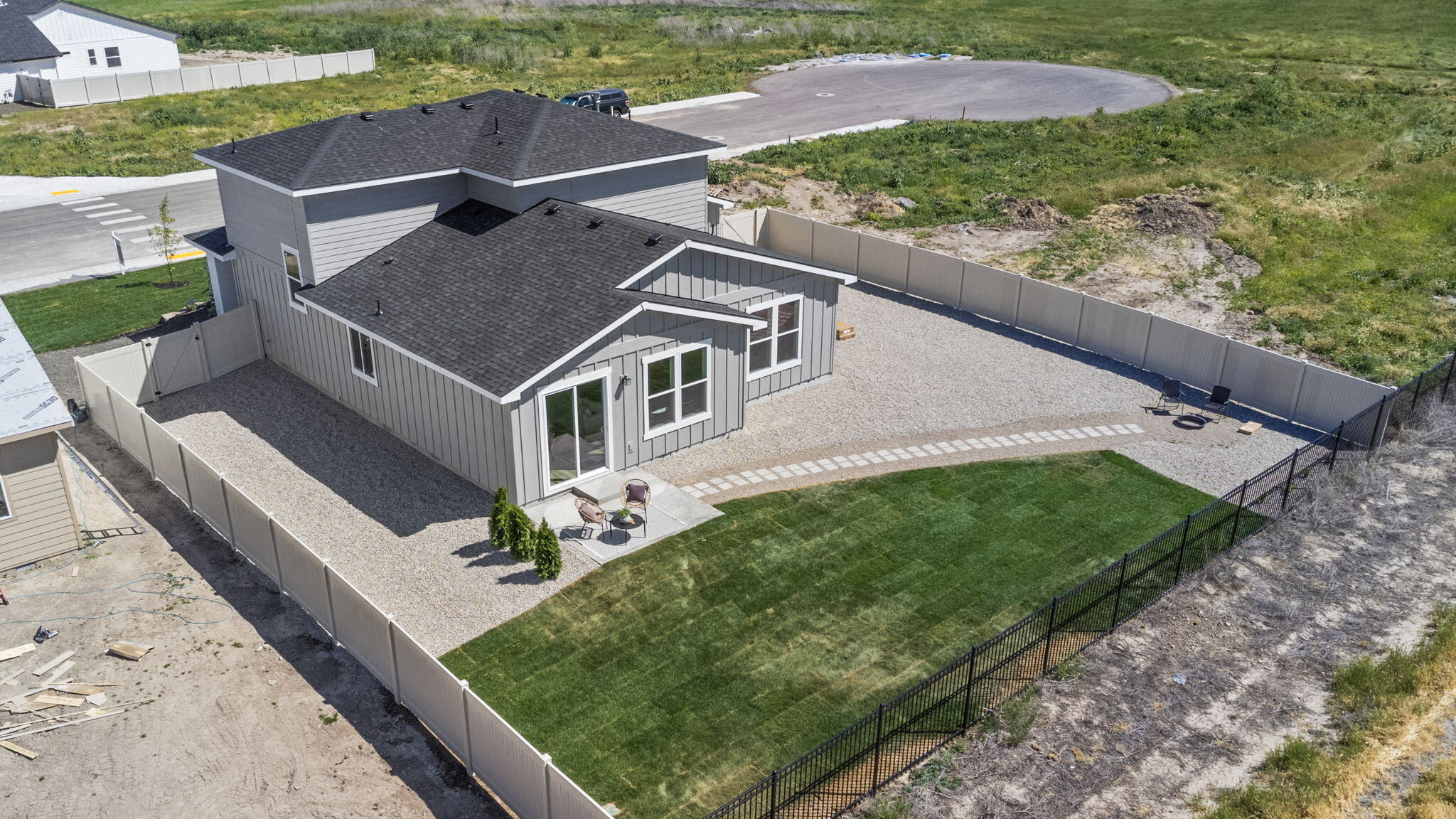
A lot that looks perfect from the road can still hide zoning limits, access issues, or site work that changes the budget. The best time to find that out is before you buy.
Bear Homes builds on land you own across the Treasure Valley. If you have a parcel in mind, talk with a builder while you are still evaluating it. We can help you see how the home you want fits the property, while the local agencies and service providers confirm what is permitted and available. Use the checklist below before the lot becomes your project.
Can the lot fit the home you want?
Start with the city or county planning department that governs the property. Find out the zoning, setbacks, building height, lot coverage, and any other rules that could shape your plans. "Buildable" in a listing rarely tells you where a house can sit or whether your preferred layout will fit.
Give the planning office the parcel number and confirm which jurisdiction reviews the proposed home. A mailing address may name a city even when the land sits outside city limits, and the rules can differ. Also confirm whether a building permit or other review applies to the house, driveway, or site work you have in mind.
Look closely at the usable building area, especially if the parcel is narrow, sloped, irregularly shaped, or crossed by an easement. Bring a survey and any available site documents to your builder so you are not relying on listing photos alone. If you want a particular garage, a single-level layout, or outdoor space, test those needs against the lot early. Total acreage rarely tells the whole story.
Read the documents behind the listing
The listing is a starting point, not the full record of what can be built. Request the survey, preliminary title information, recorded easements, and any subdivision covenants or design requirements. Review them with the right professionals before you commit.
An easement may reserve part of the property for access or utilities. A subdivision may require architectural review. Neither automatically kills the home you want, but both can change where it fits and what has to happen before construction. Get the boundaries and restrictions confirmed in writing instead of relying on an informal description of the lot.
Check access before you commit
Make sure the property has legal access, and learn what the local authority requires for a driveway or road connection. Driveway length, grade, drainage, and condition all affect the work needed before construction starts.
If the lot sits on a private road, find out who maintains it and whether recorded agreements exist. Confirm that construction vehicles can reach the site and whether the route needs improvement first. Your title company and local jurisdiction can help you settle these questions before closing.
Look past the property line, too. Some lots have a clear homesite but a steep, narrow, or unfinished approach. Driveway location also affects where the house and garage work best, so bring that into early design conversations and into your what to expect planning with the builder.
Utilities, water, and wastewater
Verify each service at the specific parcel. Nearby homes or utility lines do not guarantee a connection at the cost or location you expect.
Talk with the relevant providers about electric service and any other utilities you need. Confirm whether the lot can connect to public water and sewer, where the connection would be made, what extension work might be needed, and who can give you an estimate. A line near the parcel is not the same as a confirmed connection to it.
If public sewer is not available, look into septic requirements before you lock in a building budget or home location. The Idaho Department of Environmental Quality recommends a site evaluation before purchasing property; the local public health district handles property-specific evaluations and permits. Drainfield space can reshape the entire lot layout.
If the property will use a private well, check with the Idaho Department of Water Resources and a licensed driller about what information exists and what the parcel would require. Well drilling needs a permit, and water-use rules can depend on the proposed use and location. A nearby well does not answer those questions for a new homesite.
Look beyond the dry-weather visit
Walk the lot with drainage and ground conditions in mind. Where does water go after rain or snowmelt? Is the proposed homesite low relative to the road or neighboring land? Would a long driveway cross a drainage path? These observations will not replace a professional site evaluation, but they tell you what to investigate next.
You can screen a parcel with the Idaho Flood Hazard Map, then confirm any floodplain questions with the local authority. A map helps as an early check, not as a substitute for property-specific guidance. Soil, slope, and drainage can also affect grading, foundation design, or septic placement, so bring in the specialists the site calls for.
What site work could change the budget?
Land price is only one part of the cost of building. Depending on the property, you may need grading, drainage work, utility extensions, a driveway, well and septic work, or other preparation before the foundation begins. Two lots with the same asking price can lead to very different total project costs.
Have your builder review the lot and your early house plans together. A floor plan that works well on one parcel may need changes on another. Clarify which costs can be estimated now, which need bids or testing, and where a contingency makes sense. Keep the land, home design, and overall budget in the same conversation before you commit.
Bear Homes' on-your-lot service areas
Bear Homes builds custom homes on owners' land in Boise, Meridian, Nampa, Caldwell, Wilder, and New Plymouth. The questions above apply throughout the Treasure Valley, but the answers depend on the parcel and the authority that governs it.
Before you make an offer
Collect answers from the people who can verify them. A practical starting list is:
- Planning office: Which rules and approvals apply to this parcel and the home you want to build?
- Title company and surveyor: What are the boundaries, easements, access rights, and recorded restrictions?
- Utility providers: Which services can connect, where, and what work or cost estimates are needed?
- Health district and water specialists: If public systems are unavailable, what evaluations and permits are needed for septic and a well?
- Builder: How might the lot affect the home design, site work, schedule, and total budget?
Keep the answers with the parcel documents. If a key answer is still unknown, ask your real estate professional how to handle that uncertainty before you make a purchase commitment.
If you are looking at land in the Treasure Valley, contact Bear Homes before you commit. Tell us where the lot is and what you hope to build. We can talk through your plans and help you identify the next questions to ask.